
Does Full Self-Driving (FSD) Bus Shuttle Work Here?
Evaluating Autonomous Electric Feeder Mobility for Ward 13: Wateridge Village, Aviation Parkway & Manor Park
As Ward 13 grows—especially with residential development in Wateridge Village and dense employment hubs along Aviation Parkway—transit connections to O-Train Line 1 remain a top community priority. A question frequently raised by residents is straightforward: Can low-speed automated shuttles (LSAS) and autonomous electric vehicles actually solve our neighborhood first-mile/last-mile transit gap?
The short answer is yes. Ward 13 presents an optimal operational environment for Level 4 automated shuttles. When implemented as high-frequency feeder lines connecting neighborhood corridors directly to St-Laurent and Tremblay Stations, autonomous shuttles offer a proven, cost-effective solution.
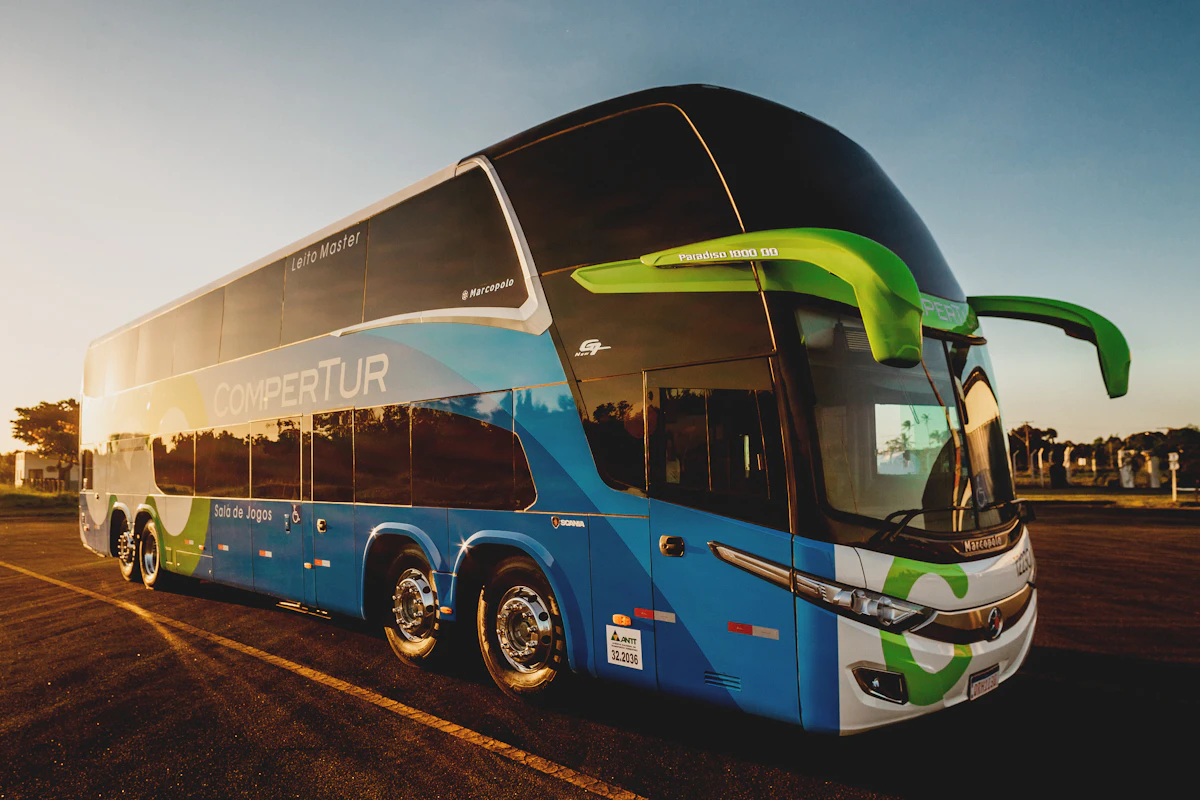
1. Why Ward 13 Corridors Suit Automated Feeders
Autonomous shuttles are not designed to replace high-capacity 40-foot articulated buses on heavy transit trunks like Montréal Road. Instead, they excel as frequent, low-cost neighborhood collectors serving defined sub-networks:
Wateridge ↔ Line 1 Feeder
Connecting Codd’s Road & Wanaki Road along Aviation Parkway straight to St-Laurent or Tremblay LRT Stations in under 8 minutes.
Aviation Parkway Loop
Linking Manor Park, NRC, CSIS/CSEC, and Train Yards retail hub directly with Line 1 for shift workers and commuters.
The Core Advantage: Because autonomous shuttles dramatically reduce driver-hour operating expenses per kilometer, transit networks can run vehicles at 5-to-7-minute headways during peak periods, eliminating long wait times for riders heading to the train.
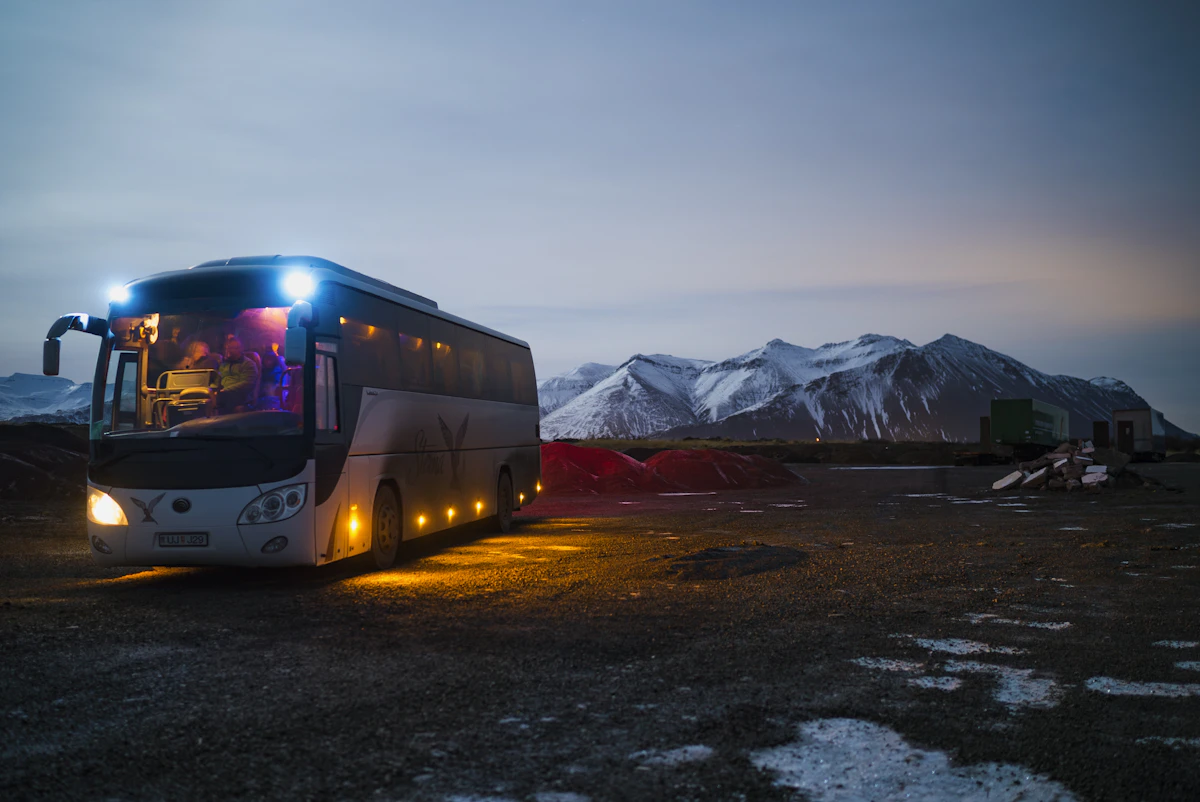
2. Ottawa’s Established Autonomous Testing Ecosystem
Deploying automated shuttles in Ottawa is not starting from scratch. The National Capital Region is already a national hub for connected and autonomous vehicle (CAV) deployment:
- Area X.O (Invest Ottawa): Ottawa operates a world-class, 1,860-acre private and public test facility equipped with 5G V2X (Vehicle-to-Everything) communication, LiDAR roadside sensors, and weather testing infrastructure.
- Kanata North Smart Shuttle Trial: Ottawa completed trials using the Aurrigo Auto-Shuttle® Mk2 in mixed traffic on public roads, proving that automated sensor suites can handle four-season weather conditions.
- Tunney’s Pasture Shuttle Pilot: Transport Canada and the City of Ottawa tested low-speed autonomous shuttles across government campus corridors to evaluate passenger adoption and station boarding dynamics.
Ottawa winters bring snow, slush, and ice. Modern Level 4 shuttles deployed in Ottawa utilize multi-spectral LiDAR, radar, localized HD mapping, and heated sensor housings to maintain lane guidance even when road painted markings are covered in snow.

3. Phased Implementation Strategy for Ward 13
| Phase | Corridor Target | Vehicle Type | Primary Objective |
|---|---|---|---|
| Phase 1 | Wateridge Village ↔ St-Laurent Station | Level 4 Automated Shuttle (Onboard Attendant) | Provide 5–7 min peak shuttle frequency connecting new housing directly to Line 1 LRT. |
| Phase 2 | Aviation Parkway Belt (Manor Park / NRC / CSIS / Train Yards) | Fixed-Route Autonomous Loop | Direct shift-worker connection to major federal employment centers and retail hubs. |
| Phase 3 | Vanier North & New Edinburgh Micro-Transit | On-Demand Pooled Autonomous Fleet | Replace low-ridership off-peak conventional routes with dynamic app-based neighborhood pick-ups. |
Conclusion
Integrating autonomous shuttle feeders into Rideau-Rockcliffe’s transit network addresses critical neighborhood connectivity challenges while leveraging technology already validated right here in Ottawa. By pairing automated zero-emission shuttles with O-Train Line 1, Ward 13 can lead Ottawa in clean, frequent, and cost-effective local mobility.

No comments:
Post a Comment